

Exploring the historical evolution of gambling A journey through time
Exploring the historical evolution of gambling A journey through time
The Origins of Gambling
The history of gambling dates back thousands of years, with evidence suggesting that ancient civilizations such as the Chinese and Romans engaged in various forms of betting. Archaeological discoveries reveal that the earliest forms of gambling involved rudimentary dice made from animal bones, known as astragali. In ancient China, around 2300 BC, a game of chance resembling modern-day lottery systems was utilized, showcasing the human inclination towards games of chance from the very start. For an exciting experience, many players enjoy visiting the lizaro casino online, which offers a variety of games.
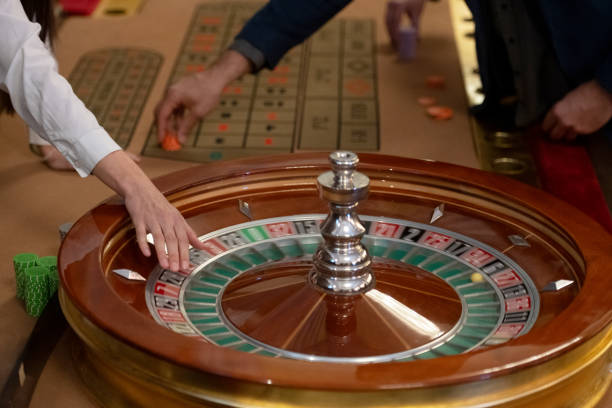
The Romans took gambling to new heights with their passion for games like dice and betting on gladiatorial contests. The legal landscape was also notable; while some emperors attempted to regulate gambling, it thrived underground, illustrating its persistent popularity. These early instances established a foundation for gambling as a staple in social and entertainment practices, fostering community bonds among participants.
As societies evolved, so too did gambling practices. The emergence of card games in the Middle Ages marked a significant development, as these games spread through Europe, further entwining gambling with social interaction. With each iteration, gambling reflected cultural shifts and attitudes, paving the way for more organized and sophisticated gaming methods that would follow in the centuries to come.
The Rise of Casinos
The term ‘casino’ originally referred to a small villa or summerhouse in Italy, where social gatherings, music, and dancing occurred. However, by the 17th century, these venues began to evolve into establishments where gambling took center stage. The first official casino, known as the Ridotto, opened in Venice in 1638, and it laid the groundwork for modern gambling establishments by formalizing rules and offering a regulated environment for various games.
As the concept of casinos spread across Europe, they began to incorporate elements such as elaborate architecture, entertainment, and luxury. The gambling scene flourished in cities like Monte Carlo and Paris, attracting aristocrats and wealthy patrons. This evolution transformed casinos from mere betting venues into comprehensive entertainment hubs, setting the stage for the glitzy casinos we recognize today.
The 20th century marked a significant turning point for casinos, especially in the United States. Las Vegas emerged as the gambling capital of the world, transforming from a small desert town to a bustling metropolis characterized by extravagant casinos and vibrant nightlife. The introduction of slot machines and the legalization of gambling in various states further accelerated this transformation, embedding gambling into the fabric of American culture.
The Digital Revolution and Online Gambling
The advent of the internet in the late 20th century brought another seismic shift in the gambling industry. Online casinos emerged, allowing players to engage in gambling activities from the comfort of their homes. This accessibility revolutionized the industry, drawing in a new demographic of players who preferred the convenience of digital platforms over traditional venues. As technology advanced, so too did the quality and diversity of online gaming offerings.
The early 2000s witnessed a boom in online gambling, prompting legislation and regulation efforts worldwide. Countries like the United Kingdom embraced online gaming, creating a robust regulatory framework to ensure player protection and fair play. Meanwhile, innovative technologies such as live dealer games and mobile gaming apps introduced new levels of interaction and engagement, enhancing the online gambling experience.
Online gambling platforms today offer a vast array of games, from traditional table games to cutting-edge slot machines. This evolution has not only made gambling more accessible but has also led to a rise in responsible gaming practices, with many online casinos prioritizing player safety through self-exclusion programs and responsible gaming tools. The digital landscape continues to shape the future of gambling, making it a dynamic and rapidly changing industry.
The Social and Cultural Impact of Gambling
Throughout history, gambling has not just been a form of entertainment; it has significantly influenced culture and society. From its inception, gambling has served as a social lubricant, facilitating camaraderie and competition among friends and strangers alike. The rituals and traditions surrounding gambling, such as poker nights or betting pools during major sporting events, have become embedded in social gatherings, further highlighting its communal aspect.
However, the impact of gambling is not solely positive. Issues surrounding addiction and financial distress have led to increased awareness and discussions about responsible gambling. Many jurisdictions have implemented measures to address these challenges, including public awareness campaigns and support programs for those affected by problem gambling. This duality illustrates the complex relationship society has with gambling, as it balances enjoyment with the potential for harm.
Additionally, gambling has inspired numerous forms of artistic expression, from literature and film to music. Iconic films such as “Casino Royale” and literature ranging from Dostoevsky’s “The Gambler” explore the allure and consequences of gambling, reflecting its role in shaping human narratives. This cultural representation solidifies gambling as a multifaceted phenomenon that continues to provoke thought and discussion across generations.

Modern Online Gaming Platforms
Today, the online gambling landscape is more vibrant than ever, with platforms like Lizaro setting a new standard for user experience. Catering to both casual gamers and serious bettors, Lizaro offers an extensive library of over 10,000 games, including an impressive selection of slots from renowned game studios. This variety ensures that players can find games that suit their preferences, enhancing the overall gaming experience.
Moreover, the user-centric design of Lizaro is complemented by attractive welcome packages, including bonuses and free spins for new users. Such incentives not only attract players but also foster loyalty as they experience the thrill of winning on their favorite games. Fast and secure payment options are paramount, allowing players to make quick withdrawals, which enhances satisfaction and trust in the platform.
As technology continues to evolve, so will platforms like Lizaro, adapting to the needs of their users and the ever-changing gambling landscape. With a commitment to providing high-quality gaming experiences, Lizaro exemplifies the modern online casino, encapsulating the essence of gambling’s historical journey while embracing the future.
